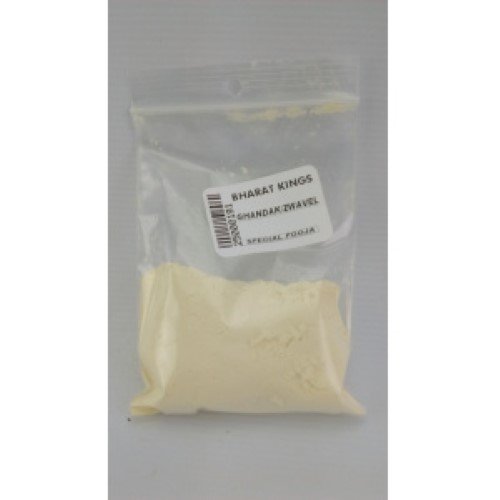
GHANDAK / AZUFRE / LIRANG 50 GR
€ 3.50
Gandhak is a term used in various contexts within the Hindu, Ayurvedic, and alchemical traditions.
There are various meanings and uses of gandhak, depending on the context. Here are the main explanations:
1. Gandhak in Ayurvedic Medicine (Sulphur)
– Gandhak (गन्धक) is the Sanskrit word for sulfur, an important mineral used in Ayurvedic medicine and alchemy. It is considered a powerful medicinal agent with various therapeutic applications.
– In Ayurveda, gandhak is often used to treat various health conditions, such as skin diseases, infections, and inflammation. It is usually used in the form of sulfur powder.
– Gandhak is also often used in combination with other herbs and minerals to enhance their effects. It is praised for its detoxifying and antibacterial properties. 2. Gandhak in Alchemy (Rasashastra)
In Rasashastra, the alchemical branch of Ayurveda, gandhak is also used. It plays an important role in the preparation of medicinal preparations and is often mixed with other substances to create healing elixirs and preparations.
– Gandhak holds an important place in the alchemical tradition of India, where it is used as a binding agent for creating medicines and improving health.
3. Gandhak in Religious Context
– In some cases, the term gandhak is also associated with scents or aromas. The Sanskrit word gandha (गंध) means scent or aroma, and gandhak could refer to a fragrant substance. In this context, it can also refer to fragrant substances used during rituals.
4. Gandhak in Traditional Medicine
In traditional medicine, gandhak is often used in formulas to treat skin conditions such as eczema, psoriasis, and acne. It is often applied in an oil-based ointment or as a powder.
Gandhak is a Sanskrit term for sulfur, a mineral used in both Ayurvedic medicine and alchemical traditions. It is prized for its medicinal properties, particularly in treating skin diseases, infections, and inflammation. It plays an important role in Rasashastra (Indian alchemy), where it is used to make medicines and elixirs. It also has broader symbolic meaning in Hindu tradition, where it can refer to fragrant substances used in rituals.
| Religions | Javanese, Hindu |
Only logged in customers who have purchased this product may leave a review.
Reviews
There are no reviews yet.